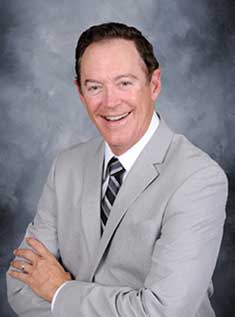
By Attorney Philip Kavesh
Several years ago, I wrote in this newsletter about the tragic estate planning story of actor Chadwick Boseman. Like many of you, I admired both his talent and the dignity with which he handled his private battle with colon cancer. Unfortunately, after his passing in 2020, we learned something else that  amounted to a cautionary tale: He apparently died without a will or living trust.
At the time, I pointed out that because there was no estate plan, his family had little choice but to go through the California probate system. His widow had to ask the court to appoint her as administrator, the estate was ultimately divided according to California law rather than his own written instructions, and private family and financial matters became part of the public record. I also noted that a properly prepared living trust could have avoided all of that lengthy and expensive probate process.
But Now There's More…
Sadly, six years after Chadwick Boseman's death, his family is reportedly still involved in litigation. According to a recent CBC News report, Boseman's brothers have filed a petition on behalf of their parents asking the court to remove his widow as administrator. The petition alleges unreasonable delays in distributing estate assets, incomplete accountings, and unresolved disputes involving business interests and intellectual property. The petition also seeks appointment of a replacement fiduciary to be in charge.
It is important to remember that these are allegations contained in court filings—not findings by the court. At the time of that story's publication, Boseman's widow had not publicly responded and the court had not ruled on the claims.
What I Hope You Take Away From This Story
After more than four decades of helping thousands of Southern California families with estate planning and trust administration, I have learned that most estate disputes do not begin because families want to fight each other. They begin because someone failed to leave clear legal instructions in a proper estate plan.
People often tell me, 'My family gets along fine. They would never fight.' Fortunately, most families don't. But when grief, uncertainty, money, and unanswered questions come together, even good people can misunderstand each other. That is exactly why estate planning exists—not because we expect conflict, but because we want to reduce the chances that conflict will ever occur.
Another lesson I have seen repeatedly is that probate often lasts much longer than families expect. While many estates are completed without major problems, others can remain tied up for years when disputes arise or the administration becomes complicated. The true cost isn't measured only in legal fees. It is measured in family stress, lost time, and opportunities that can never be recovered.
Five Lessons Every Family Can Learn
- Preferably, create a complete estate plan before a health crisis occurs (although it is sometimes possible to complete it while a person is incapacitated if the person executed a durable power of attorney while they still were competent to handle their affairs).
- Use a properly funded living trust whenever appropriate.
- Choose successor trustees for their judgment, integrity, and communication skills.
- Review your estate plan every few years as your family, assets, and wishes change.
What You Can Do This Month
- Locate your existing estate planning documents.
- Review whether your trust still reflects your wishes.
- Confirm that your home and other major assets are titled correctly in the trust name.
- Update your successor trustees, executors, and powers of attorney if needed.
- If you have no living trust, schedule time to learn whether one is right for your family.
Phil's Closing Thought
Every time a celebrity dies without an estate plan, the headlines remind us of what can go wrong. But the real tragedy isn't that it happened to a celebrity. It's that the same thing happens quietly to thousands of ordinary families every year.
Fortunately, Chadwick Boseman's situation is one of those that is easiest to prevent, provided you plan before a crisis occurs. Keep in mind that estate planning isn't just about documents. It's about protecting the people you love.
You're Invited
I invite you to attend one of our free educational estate planning seminars. For more than 40 years, we have been helping families understand how to avoid unnecessary probate, preserve privacy, reduce the risk of family conflict, and make sure their wishes—not the state's default rules—guide what happens to their estate. We look forward to meeting with you soon.