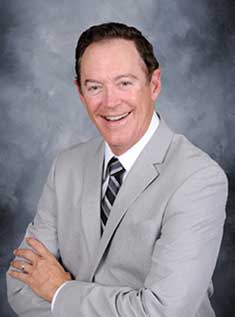
By Attorney Philip Kavesh
When we look closely enough, it's amazing how much is passed from generation to generation at the smallest physiological level—in our DNA.
Of course, there are obvious things recorded and transmitted in our DNA: hair, eye and skin color, height, body shape, and even aspects of personality. But there are also less obvious inherited attributes—interests, talents, and passions—that sometimes appear in younger generations almost out of nowhere, often years later in their lives (if we are paying close enough attention to recognize them).

Are some special interests and talents transferred in our DNA, too? I'm not a scientist, but I've often wondered. It seems difficult to believe that every remarkable similarity between generations is merely coincidence.
For many years I thought I had inherited very little from my father. He loved the law, graduated at the top of his law school class, won national recognition as a collegiate public speaker, and was an accomplished stage actor, especially renowned for his portrayal of Tevye in an off-Broadway production of Fiddler on the Roof. Eventually he blended those gifts into a distinguished career as a trial attorney.
I seemed to be his opposite. I had no interest in becoming a lawyer and was terrified of speaking before an audience or appearing on stage, despite growing up around my father's theatrical productions. Instead, I loved literature and writing and dreamed of becoming the next James Michener.
After college, reality intervened. My novel wasn't completed and paying the bills, so I took the LSAT, scored well, enrolled in law school, and eventually became an estate planning attorney. Drafting estate planning documents, I sometimes joke, is literature for a frustrated novelist.
Then, as my career went along, something unexpected happened. I opened my own law practice, coincidentally at about the same age my father had. I quickly discovered that all the degrees I had earned didn't make the phone ring. One day, I attended a seminar presented by a real estate attorney who captivated an audience and, despite having none of the qualities most people associate with dynamic speakers, got almost all of them to sign up for appointments! I went away thinking, 'If he can do it, so can I.'
My first seminars were awful. I hid behind the podium, read from notes, avoided eye contact, and perspired through my suit so badly I couldn't raise my arms to make any gestures! Needless to say, I scheduled almost no appointments.
But I kept going. I simply resolved to fall off the bicycle enough times until I learned how to ride it. Gradually, something remarkable emerged. The speaker and performer I never believed existed suddenly came to life! Over the next 45 years, I presented thousands of successful seminars to families and professionals alike. Looking back, I can't help but wonder whether some dormant gift from my father had simply been waiting for the right time to emerge. Thanks, Dad.
After I became a father, I witnessed something similar in the next generation. Although my daughter descended from ancestors with graduate degrees, she chose not to attend college. Instead, she entered retail sales, first in a women's clothing store, and quickly discovered she loved performing in front of customers and helping people make buying decisions. She repeatedly became a top salesperson at every job she held before most recently joining Tesla's residential solar division, where she again rose into sales leadership and now aspires to become one of the company's top sales trainers.
Watching her succeed reminded me of my grandfather—Pop Pop—who never went to college and worked in a ladies' dress shop where he became a super successful salesperson before he found his true calling in building and selling homes. His remarkable gift for sales appears to have skipped generations before reappearing in my daughter.
Over the years I've come to realize that these family stories may be among the greatest inheritances we can leave behind.
As estate planning attorneys, we naturally focus on trusts, wills, and powers of attorney. Those legal documents are essential. But there is another inheritance your family deserves.
Have you preserved the stories that explain who your family really is? The stories about personalities, perseverance, humor, talents, passions, values, and dreams for your loved ones that may someday help your children and grandchildren understand themselves a little better?
Take time to write down those stories. Share them at family gatherings. Record a video. Provide future generations not only with your family assets, but the knowledge of who you and your family were.
However you choose to preserve your family's history, I hope you'll enjoy helping future generations appreciate what's in your DNA.
Editor's Note
We at Kavesh, Minor & Otis are developing a new Legacy Letter process to help clients preserve their family history, values, memories, and life lessons as a companion to their estate planning documents. If you'd like to participate as one of our complimentary pilot families, please call our office and ask to be placed on our Legacy Letter Project list.